Understanding Fibres and Fabrics: A Comprehensive Guide by Edward Clay & Son
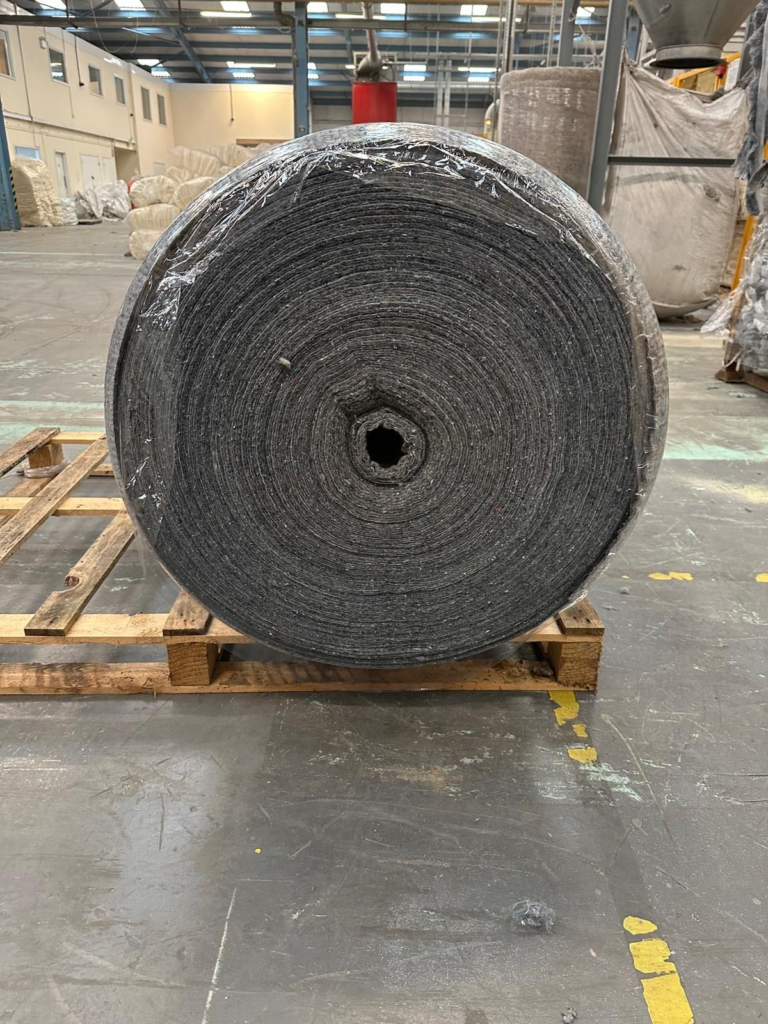
The world of fibres and fabrics is vast and complex, encompassing centuries of tradition alongside cutting-edge innovation. At Edward Clay & Son, our 150+ years of experience in textile manufacturing have given us deep insights into the properties, applications, and potential of various fibres and fabric construction methods. Understanding these fundamentals is essential for making informed decisions about material selection for industrial and commercial applications.
The Foundation: Understanding Fibres
Fibres form the building blocks of all textile materials. Each fibre type brings unique characteristics that determine the final product’s performance, sustainability, and suitability for specific applications.
Natural Fibres: Nature’s Engineering Marvels
Natural fibres have evolved over millions of years, developing sophisticated structures that often outperform synthetic alternatives in specific applications.
Wool: The Versatile Champion
Wool remains one of the most remarkable natural fibres, with properties that make it invaluable across numerous applications. The natural crimp of wool fibres creates exceptional elasticity and recovery, whilst the scales on each fibre provide natural grip and felting ability. British wool, which forms the backbone of our operations, offers particular advantages:
- Natural fire resistance that exceeds many synthetic materials
- Moisture management that allows wool to absorb up to 30% of its weight in water whilst feeling dry
- Temperature regulation through its unique fibre structure
- Durability that improves with age and proper care
Cotton: Comfort and Versatility
Cotton fibres provide softness, breathability, and excellent dye retention. Recycled cotton, which we use extensively, offers these benefits whilst supporting circular economy principles. Cotton’s natural cellulose structure makes it highly absorbent and comfortable against the skin.
Hemp: The Strength Specialist
Hemp fibres are among the strongest natural fibres available, with tensile strength that rivals many synthetic alternatives. Hemp also offers:
- Natural antimicrobial properties that resist odour and bacterial growth
- UV resistance for outdoor applications
- Improved performance with age as fibres soften whilst maintaining strength
Jute: The Sustainable Workhorse
Jute provides an excellent balance of performance and sustainability. Its golden colour and natural lustre make it popular for decorative applications, whilst its strength and workability suit numerous industrial uses.
Synthetic Fibres: Engineered Performance
Whilst natural fibres dominate our product range, strategic use of synthetic fibres can enhance specific properties:
Polyester offers dimensional stability and moisture resistance, making it valuable in blends where these properties are required.
Nylon provides exceptional strength and abrasion resistance for demanding applications.
Polypropylene offers chemical resistance and low density for specialised applications.
Fabric Construction: From Fibres to Function
The method used to convert fibres into fabric dramatically affects the final product’s characteristics. At Edward Clay & Son, we specialise in non-woven fabric construction, particularly needle punch technology.
Non-Woven Fabrics: Modern Innovation Meets Traditional Principles
Non-woven fabrics offer unique advantages over traditional woven or knitted materials:
Mechanical Bonding: Our needle punch process mechanically entangles fibres, creating fabrics without the need for chemical bonding agents. This mechanical structure provides:
- Dimensional stability that maintains shape under stress
- Controlled porosity that can be tailored for specific applications
- Multi-directional strength that doesn’t rely on yarn direction
- Customisable density from lightweight batting to dense felts
Processing Flexibility: Non-woven construction allows for:
- Fibre blending at the fabric level rather than yarn level
- Gradient properties through layered construction
- Surface texturing through specialised needling techniques
- Thickness variation within single products
Traditional Fabric Construction Methods
Whilst we specialise in non-woven fabrics, understanding traditional construction methods helps explain why non-woven alternatives often provide superior performance:
Woven Fabrics interlace warp and weft yarns at right angles. Whilst this creates strong fabrics in specific directions, it also creates potential weak points and limits design flexibility.
Knitted Fabrics loop yarns together, creating stretch and recovery. However, runs and snags can compromise structural integrity.
Felted Fabrics use heat, moisture, and pressure to entangle fibres. Our needle punch process achieves similar results through mechanical action, providing better control and consistency.
Fibre Properties and Performance Characteristics
Understanding fibre properties enables optimal material selection for specific applications:
Physical Properties
Tensile Strength: The force required to break a fibre. Hemp and wool show excellent strength, whilst cotton provides moderate strength with good elongation.
Elasticity: The ability to return to original length after stretching. Wool excels in this area, providing excellent recovery properties.
Density: Affects fabric weight and insulation properties. Wool’s low density creates excellent insulation-to-weight ratios.
Crimp: Natural waviness in fibres affects loft, elasticity, and insulation. Wool’s natural crimp is particularly valuable for creating resilient products.
Chemical Properties
Moisture Absorption: Natural fibres generally absorb moisture better than synthetics, affecting comfort and performance.
Chemical Resistance: Different fibres resist different chemicals. Wool naturally resists acids, whilst cellulose fibres are more alkali-resistant.
pH Sensitivity: Understanding pH sensitivity helps predict fibre behaviour in different environments.
Thermal Properties
Insulation: Trapped air between fibres provides thermal insulation. Wool’s natural crimp creates excellent insulation properties.
Fire Resistance: Wool naturally resists combustion and self-extinguishes, whilst many plant fibres burn readily.
Heat Sensitivity: Understanding thermal properties prevents damage during processing and determines suitable applications.
Sustainability in Fibre and Fabric Selection
Modern textile selection must consider environmental impact alongside performance:
Life Cycle Assessment
Raw Material Production: Natural fibres generally require less energy to produce than synthetics, though processing methods affect overall impact.
Manufacturing: Non-woven processes often use less energy than traditional textile manufacturing, particularly when chemical bonding is avoided.
Use Phase: Durability affects environmental impact through product lifetime and replacement frequency.
End of Life: Natural fibres biodegrade harmlessly, whilst recyclable synthetics can extend material utility.
Circular Economy Principles
Edward Clay & Son’s approach supports circular economy through:
Fibre Recovery: Using reclaimed fibres reduces virgin material demand whilst maintaining performance.
Product Design: Creating products that can be recycled or composted at end of life.
Local Sourcing: Reducing transportation impacts through British wool sourcing.
Process Efficiency: Minimising waste and energy consumption in manufacturing.
Applications: Matching Fibres and Fabrics to Purpose
Successful material selection requires understanding application requirements:
Upholstery and Furniture
Requirements: Comfort, durability, fire resistance, and dimensional stability.
Solutions: Wool-based felts provide natural fire resistance and comfort, whilst polyester blends add dimensional stability.
Packaging and Protection
Requirements: Cushioning, temperature stability, and environmental compatibility.
Solutions: Wool batting provides excellent cushioning whilst being completely biodegradable.
Insulation Applications
Requirements: Thermal performance, safety, and installation ease.
Solutions: Natural fibre insulation provides excellent thermal properties whilst being safe for installers and occupants.
Horticultural Applications
Requirements: Plant compatibility, drainage, and eventual biodegradation.
Solutions: Natural fibre products support plant growth whilst enriching soil as they decompose.
Innovation and Future Developments
The fibres and fabrics industry continues to evolve:
Advanced Fibre Processing
Nano-scale Modifications: Enhancing fibre properties through controlled surface treatments.
Bio-based Synthetics: Developing synthetic fibres from renewable biological sources.
Smart Fibres: Incorporating responsive properties that adapt to environmental conditions.
Sustainable Manufacturing
Energy Reduction: Developing processes that require less energy whilst maintaining quality.
Water Conservation: Minimising water usage in fibre processing and fabric construction.
Chemical Elimination: Reducing or eliminating chemical processing aids.
Performance Enhancement
Hybrid Materials: Combining natural and synthetic fibres for optimal performance.
Functional Integration: Incorporating specific functions into fibre and fabric structure.
Customisation: Developing materials tailored to increasingly specific application requirements.
Edward Clay & Son’s Expertise
Our deep understanding of fibres and fabrics enables us to provide:
Material Selection Guidance: Helping customers choose optimal materials for their specific applications.
Custom Development: Creating bespoke fibre blends and fabric constructions for unique requirements.
Performance Optimisation: Balancing multiple performance criteria to achieve optimal results.
Sustainability Support: Helping customers achieve environmental goals without compromising performance.
Understanding fibres and fabrics is fundamental to making informed material choices. At Edward Clay & Son, our expertise spans traditional knowledge and modern innovation, enabling us to provide materials that meet the evolving needs of contemporary applications whilst supporting sustainability goals. Whether you need standard materials or custom solutions, our comprehensive understanding of fibres and fabrics ensures optimal results for your specific requirements.
The world of fibres and fabrics will continue to evolve, driven by advancing technology and increasing environmental awareness. By partnering with Edward Clay & Son, you gain access to this expertise and innovation, ensuring your material choices support both immediate performance needs and long-term sustainability objectives.