The Essential Role of Quality Felt in Modern Mattress Manufacturing
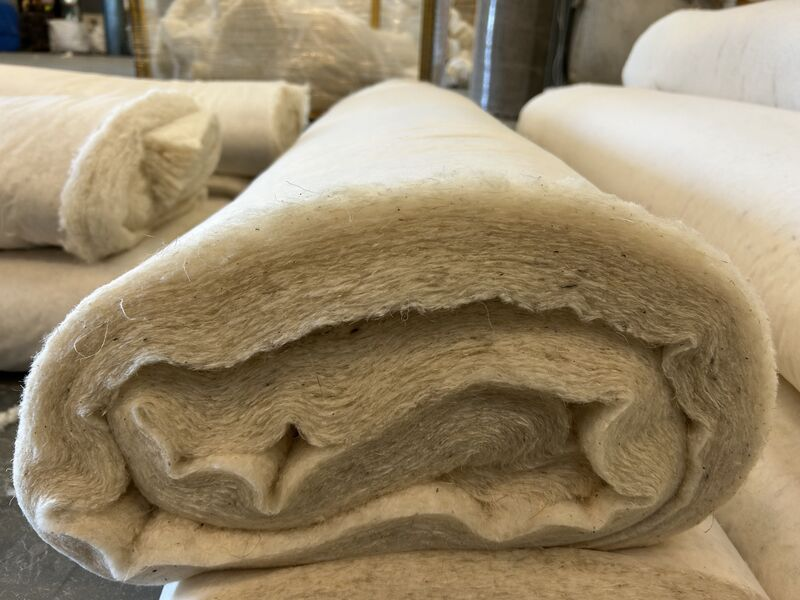
Discover how Edward Clay & Son’s premium felt wadding and fillings enhance mattress comfort, durability, and sustainability for manufacturers seeking superior components.
The mattress industry has undergone remarkable transformation in recent years, with consumers increasingly demanding products that combine exceptional comfort, durability, and environmental responsibility. At the heart of premium mattress construction lies a component that’s often overlooked yet fundamentally important: quality felt wadding and filling materials. Edward Clay & Son has been supplying the mattress industry for generations, and our expertise in felt production continues to support manufacturers in creating superior sleep solutions.
The Evolution of Mattress Components
Mattress construction has evolved significantly from the simple stuffed pallets of centuries past. Modern mattresses are sophisticated products engineered to provide specific comfort levels, support characteristics, and durability standards. However, despite advances in spring technology, foam innovation, and synthetic materials, natural felt remains an essential component in quality mattress construction.
Why Felt Matters in Mattress Design
Felt wadding serves multiple critical functions within mattress construction:
Comfort Layering: Felt provides progressive comfort layers that create the transition between firm support cores and softer surface comfort layers. This graduated comfort prevents the harsh feeling of springs or firm foam whilst maintaining necessary support.
Spring Insulation: In traditional innerspring mattresses, felt wadding prevents sleepers from feeling individual springs. This insulation layer is crucial for comfort and helps prevent upholstery materials from working into spring coils over time.
Structural Stability: Felt provides dimensional stability, helping mattresses maintain their shape and preventing soft filling materials from shifting or migrating during use.
Moisture Management: Natural fibre felts wick moisture away from the sleeping surface, contributing to a more comfortable sleep environment and extending mattress life by preventing moisture-related degradation.
Durability Enhancement: Quality felt wadding distributes pressure more evenly across the mattress structure, reducing stress concentrations that could lead to premature wear or failure.
Edward Clay & Son’s Mattress Felt Solutions
Our extensive range of felt products serves every aspect of mattress construction:
Premium Wool Felt Wadding
Wool felt represents the gold standard for mattress applications, offering unmatched performance characteristics:
Natural Resilience: Wool’s inherent crimp and elasticity create felt that recovers quickly from compression, maintaining its cushioning properties throughout the mattress’s lifetime.
Temperature Regulation: Wool’s unique fibre structure regulates temperature naturally, keeping sleepers comfortable across varying ambient conditions. This natural climate control contributes significantly to sleep quality.
Moisture Management: Wool can absorb up to 30% of its weight in moisture whilst still feeling dry, helping maintain a comfortable sleep environment and preventing the clammy feeling associated with some synthetic materials.
Fire Safety: Wool’s natural fire resistance provides an additional safety margin without requiring chemical fire retardants, addressing growing consumer concerns about chemical treatments in bedding products.
Hypoallergenic Properties: Contrary to common misconceptions, properly processed wool is naturally resistant to dust mites, mould, and mildew, making it an excellent choice for allergy-conscious consumers.
Blended Felt Solutions
Strategic fibre blending allows us to create felt products optimised for specific mattress designs and price points:
Wool-Cotton Blends: Combining wool’s resilience and fire resistance with cotton’s softness and workability creates versatile felts suitable for mid-range mattress construction.
Wool-Polyester Combinations: Adding polyester fibres enhances dimensional stability and can improve cost-effectiveness whilst maintaining many of wool’s beneficial properties.
Multi-Fibre Custom Blends: We develop bespoke fibre combinations tailored to specific manufacturing requirements, performance criteria, and price objectives.
Specialised Mattress Fillings
Beyond traditional felt wadding, we produce specialised filling materials:
Lofted Filling Materials: Lighter-weight, more open structures provide cushioning whilst minimising weight and cost.
Needle Punch Insulator Pads: Dense, firm felts that provide excellent spring insulation whilst maintaining thin profiles.
Border Stabilisation Materials: Specialised felts that provide edge support and help maintain mattress shape over time.
Technical Considerations for Mattress Manufacturers
Selecting appropriate felt materials requires understanding several key technical factors:
Density and Weight
Felt density dramatically affects performance and cost:
Light-Weight Felts (400-600 gsm): Suitable for comfort layers in budget mattresses or as supplementary layers in multi-layer constructions.
Medium-Weight Felts (600-1000 gsm): The workhorse of mattress construction, providing excellent balance of comfort, insulation, and cost-effectiveness.
Heavy-Weight Felts (1000+ gsm): Premium applications requiring maximum cushioning, durability, or spring insulation.
Compression Characteristics
How felt behaves under sustained compression affects mattress performance:
Initial Softness: The immediate feel when pressure is applied, affecting perceived comfort.
Compression Set: The extent to which felt permanently compresses over time. Lower compression set indicates better long-term performance.
Recovery Rate: How quickly felt rebounds after compression is removed, affecting perceived quality and support.
Dimensional Stability
Mattress felts must maintain their dimensions throughout manufacturing and use:
Width Stability: Preventing shrinkage or expansion during manufacturing processes.
Thickness Consistency: Maintaining uniform thickness for predictable performance.
Edge Stability: Resisting fraying or degradation at cut edges during fabrication.
Sustainability in Mattress Component Selection
Modern mattress buyers increasingly consider environmental impact alongside comfort and durability:
Natural Fibre Advantages
Our natural fibre felts support manufacturer sustainability initiatives:
Renewable Resources: Wool, cotton, and other plant fibres are annually renewable, supporting sustainable resource management.
Biodegradability: Natural fibre components break down harmlessly at end-of-life, facilitating mattress recycling and reducing landfill impact.
Carbon Sequestration: Sheep and plant-based fibres sequester carbon during growth, creating carbon-negative materials in many applications.
Reduced Chemical Processing: Natural fibres require fewer chemical treatments than many synthetic alternatives, reducing manufacturing environmental impact.
Recyclability and Circular Economy
Edward Clay & Son’s felt products support circular economy principles:
Material Recovery: Natural felts can be recovered from end-of-life mattresses and reprocessed into new products.
Compostable Options: Fully natural felt components can be composted, eliminating waste whilst enriching soil.
Recycled Fibre Content: We incorporate recycled fibres where appropriate, extending material utility and reducing virgin fibre demand.
Manufacturing Process Excellence
Our mattress felt production incorporates rigorous quality control at every stage:
Fibre Selection and Preparation
Quality Sorting: Careful selection ensures only appropriate fibre types and grades enter production.
Cleaning Processes: Thorough cleaning removes contaminants whilst preserving beneficial fibre properties.
Blending Precision: Computer-controlled blending ensures consistent fibre ratios for predictable performance.
Needle Punch Production
Parameter Control: Precise control of needle density, penetration depth, and punch frequency ensures consistent product characteristics.
Multi-Pass Processing: Strategic use of multiple needling passes creates optimal fibre entanglement and product density.
Surface Finishing: Specialised needling techniques create appropriate surface characteristics for different applications.
Quality Assurance
Dimensional Verification: Continuous monitoring ensures products meet thickness, width, and weight specifications.
Physical Testing: Regular testing of tensile strength, compression resistance, and other performance parameters.
Visual Inspection: Careful examination ensures surface quality and freedom from defects.
Application-Specific Recommendations
Different mattress types require different felt solutions:
Traditional Innerspring Mattresses
Primary Requirements: Excellent spring insulation, durability, and compression resistance.
Recommended Solutions: Medium to heavy-weight wool or wool-blend felts providing robust insulation and long-term performance.
Pocket Spring Mattresses
Primary Requirements: Softer feel than traditional innerspring, with comfort layering between spring units and upholstery.
Recommended Solutions: Medium-weight wool felts or wool-cotton blends offering comfort whilst maintaining spring isolation.
Hybrid Mattresses
Primary Requirements: Compatibility with foam layers, moisture management, and comfort enhancement.
Recommended Solutions: Lighter-weight natural fibre felts providing moisture wicking and comfort without excessive thickness.
Luxury and Premium Mattresses
Primary Requirements: Maximum comfort, natural materials, fire safety without chemicals, and superior durability.
Recommended Solutions: Premium wool felts using the finest British wool, often in multi-layer configurations.
Cost-Performance Optimisation
Balancing cost and performance requires strategic material selection:
Value Engineering Approaches
Strategic Blending: Incorporating cotton or synthetic fibres where they provide cost savings without compromising critical performance characteristics.
Weight Optimisation: Using the minimum felt weight that achieves required performance, avoiding over-specification.
Application-Appropriate Selection: Matching felt specifications precisely to each application within the mattress structure.
Total Cost of Ownership
Consider factors beyond initial material cost:
Warranty Performance: Higher-quality felts may reduce warranty claims and associated costs.
Brand Positioning: Premium felt components support marketing claims about quality and natural materials.
Manufacturing Efficiency: Consistent, high-quality felts improve manufacturing efficiency and reduce waste.
Technical Support and Custom Development
Edward Clay & Son provides comprehensive support for mattress manufacturers:
Application Engineering
Specification Development: Working with manufacturers to develop optimal felt specifications for specific mattress designs.
Performance Testing: Conducting testing to verify that proposed materials meet performance requirements.
Competitive Analysis: Helping manufacturers match or exceed competitor product performance.
Custom Product Development
Bespoke Blends: Creating custom fibre combinations for unique performance or marketing requirements.
Specialised Treatments: Developing treatments or surface finishes for specific applications.
Prototype Production: Small-scale production runs for new product development and testing.
Supply Chain Partnership
Demand Planning: Working collaboratively to ensure material availability matches production requirements.
Quality Consistency: Maintaining consistent quality standards batch after batch.
Technical Documentation: Providing comprehensive specifications and performance data for quality assurance and regulatory compliance.
Future Trends in Mattress Component Technology
The mattress industry continues to evolve, creating new opportunities for innovation:
Enhanced Sustainability
Increased Natural Content: Growing consumer demand for natural, sustainable materials.
Improved Recyclability: Developing products specifically designed for easier end-of-life recovery.
Transparent Supply Chains: Providing traceability from farm to finished mattress.
Performance Innovation
Smart Materials: Exploring fibres and constructions that adapt to body temperature or sleeping position.
Enhanced Durability: Developing felts that maintain performance characteristics even longer.
Antimicrobial Properties: Natural solutions for hygiene-conscious consumers.
Manufacturing Efficiency
Processing Improvements: Streamlining production to reduce costs whilst maintaining quality.
Customisation Capabilities: Enabling more economical small-batch custom production.
Integration Support: Better integration with automated mattress manufacturing systems.
Conclusion: Partnership for Success
Quality felt components remain essential to superior mattress construction, providing comfort, durability, and sustainability that consumers increasingly demand. Edward Clay & Son’s expertise in felt production, combined with our commitment to British manufacturing and sustainable practices, makes us an ideal partner for mattress manufacturers seeking to differentiate their products in a competitive marketplace.
Our comprehensive range of felt products, technical support capabilities, and custom development services enable manufacturers to optimise their designs for performance, sustainability, and cost-effectiveness. Whether you’re developing luxury mattresses requiring the finest natural materials or value products needing cost-effective solutions, our team has the expertise and capabilities to support your success.
For over 150 years, we’ve been supporting the mattress industry with quality felt products. As the industry evolves towards greater sustainability and enhanced performance, Edward Clay & Son continues to innovate, ensuring our products meet the demanding requirements of modern mattress manufacturing whilst supporting the environmental goals that matter to today’s consumers.