The Complete Guide to Natural Fibre Solutions for Industrial Applications
Natural fibres are experiencing a renaissance in industrial applications, driven by growing environmental consciousness and advancing processing technologies. At Edward Clay & Son, we’ve been working with natural fibres for over 150 years, developing deep expertise in maximising their performance for industrial uses whilst maintaining their environmental benefits.
The Natural Fibre Advantage
Natural fibres offer unique properties that synthetic alternatives often cannot match:
Environmental Compatibility: Natural fibres are inherently biodegradable and renewable, supporting circular economy principles and reducing long-term environmental impact.
Performance Characteristics: Many natural fibres possess exceptional properties – wool’s natural fire resistance, hemp’s strength and durability, jute’s affordability and workability, and cotton’s softness and absorbency.
Processing Flexibility: Natural fibres can be processed using traditional mechanical methods, reducing energy requirements and chemical usage compared to synthetic fibre production.
End-of-Life Benefits: When products reach the end of their useful life, natural fibre components can be composted or recycled, eliminating waste disposal concerns.
Edward Clay & Son’s Natural Fibre Portfolio
We work with an extensive range of natural fibres, each selected for specific performance characteristics:
British Wool: Our local wool sourcing supports British farmers whilst providing excellent insulation, moisture management, and natural fire resistance. Wool’s crimp structure creates exceptional loft and recovery, making it ideal for upholstery and insulation applications.
Hemp Fibre: Hemp offers outstanding strength-to-weight ratios and natural antimicrobial properties. It’s particularly valuable for applications requiring durability and resistance to degradation from moisture or UV exposure.
Jute Fibre: Cost-effective and versatile, jute provides good tensile strength and works exceptionally well in blended applications. Its natural golden colour and texture make it popular for decorative applications like basket liners.
Cotton Fibres: Recycled cotton fibres offer softness, absorbency, and excellent dye retention. They’re particularly useful in applications requiring comfort or moisture management.
Industrial Applications
Natural fibre solutions from Edward Clay & Son serve numerous industrial sectors:
Packaging Industry: Natural fibre packaging materials provide excellent protection whilst being completely biodegradable. Wool packaging, in particular, offers superior cushioning properties and temperature regulation for sensitive products.
Construction and Insulation: Natural fibre insulation materials provide thermal regulation whilst being safe for installers and occupants. They’re particularly valuable in green building projects seeking LEED certification or similar environmental standards.
Automotive Applications: Natural fibre components in automotive interiors provide comfort, sound dampening, and sustainability credentials. They’re increasingly specified by manufacturers seeking to reduce vehicle environmental impact.
Horticulture and Agriculture: Natural fibre products support plant growth whilst eventually decomposing to enrich soil. Applications include erosion control, plant protection, and growing media components.
Filtration and Separation: The natural structure of plant fibres creates effective filtration media for various applications, from air filtration to industrial process separation.
Blending for Optimal Performance
One of Edward Clay & Son’s core competencies is creating fibre blends that optimise performance for specific applications. By combining different natural fibres, or blending natural fibres with carefully selected synthetic components, we can create products that exceed what any single fibre type could achieve alone.
Wool-Cotton Blends: Combine wool’s resilience and fire resistance with cotton’s softness and workability.
Hemp-Jute Combinations: Leverage hemp’s strength with jute’s cost-effectiveness for applications requiring balanced performance and economy.
Natural-Synthetic Hybrids: Strategic addition of synthetic fibres can enhance specific properties whilst maintaining overall environmental benefits.
Processing and Quality Control
Our processing capabilities are specifically designed to maximise natural fibre performance:
Fibre Preparation: Careful cleaning, carding, and blending ensure optimal fibre orientation and distribution in final products.
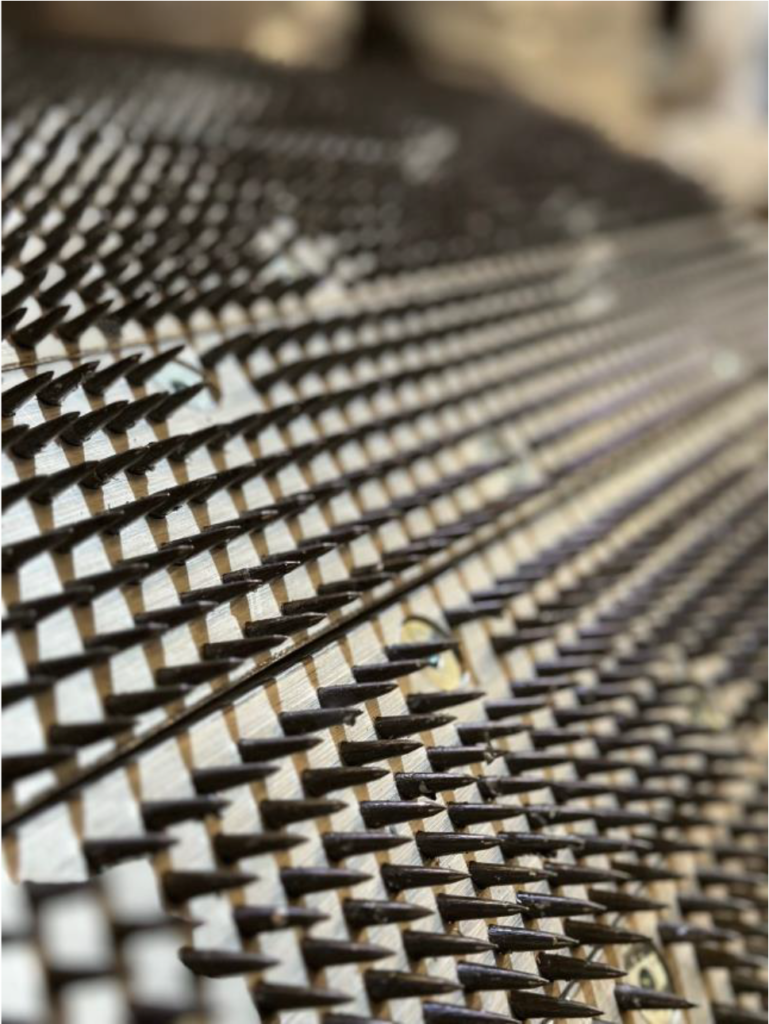
Needle Punch Technology: Our advanced needle punch equipment can handle the varying properties of different natural fibres, creating consistent, high-quality products.
Quality Testing: Comprehensive testing ensures that natural fibre products meet performance specifications whilst maintaining their environmental benefits.
Supporting Your Sustainability Goals
Choosing natural fibre solutions supports your organisation’s sustainability initiatives in multiple ways:
Carbon Footprint Reduction: Natural fibres typically require less energy to produce and process than synthetic alternatives.
Renewable Resource Utilisation: Using renewable fibre sources supports sustainable agriculture and forestry practices.
End-of-Life Planning: Natural fibre products can be disposed of responsibly, supporting circular economy principles.
Supply Chain Transparency: Natural fibre supply chains are often more transparent and traceable than synthetic alternatives.
Edward Clay & Son’s expertise in natural fibre solutions enables us to help your business achieve performance goals whilst supporting environmental responsibility. Our comprehensive approach – from fibre selection through final product delivery – ensures that you receive materials that exceed expectations for quality, performance, and sustainability.