Biodegradable vs. Recyclable: Choosing the Right Sustainable Option
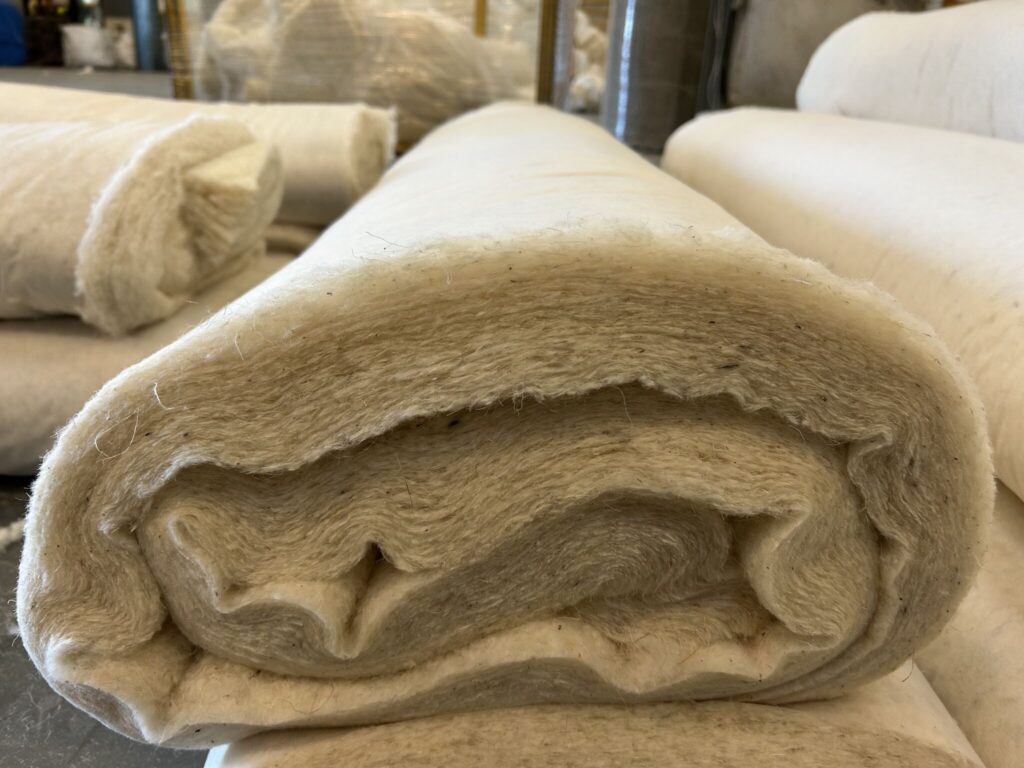
As businesses increasingly prioritise environmental responsibility, the choice between biodegradable and recyclable materials has become crucial for sustainable operations. At Edward Clay & Son, we offer both biodegradable and recyclable options, and understanding the distinctions between these approaches is essential for making informed decisions that align with your sustainability goals and operational requirements.
Understanding the Fundamentals
Biodegradable Materials break down naturally through biological processes, typically involving microorganisms, bacteria, and fungi. These materials decompose into natural elements like carbon dioxide, water, and biomass that integrate harmlessly into the environment.
Recyclable Materials can be processed and reformed into new products, extending their useful life and reducing the need for virgin materials. Recycling maintains material value within the economic system whilst reducing waste.
Both approaches support sustainability, but they address different aspects of the environmental impact lifecycle.
Edward Clay & Son’s Biodegradable Solutions
Our biodegradable products are designed to break down completely under appropriate conditions:
Natural Fibre Compositions: Products made entirely from wool, hemp, jute, cotton, and other plant-based materials that decompose naturally without leaving harmful residues.
Time-Controlled Degradation: Different natural fibre combinations allow us to create products with predictable decomposition timelines, from rapid breakdown for single-use applications to extended durability for long-term use.
Soil Enhancement: Many of our biodegradable products actually improve soil quality as they decompose, adding organic matter and nutrients that benefit plant growth.
Composting Compatibility: Our biodegradable materials are suitable for both industrial and home composting systems, providing flexibility for end-of-life management.
Edward Clay & Son’s Recyclable Options
Our recyclable products are designed for multiple lifecycle uses:
Mechanical Recycling: Products that can be broken down and reformed using mechanical processes, maintaining fibre integrity through multiple cycles.
Chemical Compatibility: Materials formulated to be compatible with existing recycling streams, ensuring they can be processed through established infrastructure.
Quality Retention: Recyclable products maintain performance characteristics through multiple recycling cycles, providing sustained value.
Circular Economy Support: Products designed specifically to support circular economy principles, where materials continuously cycle through use phases.
Decision Factors
Choosing between biodegradable and recyclable options depends on several key considerations:
Application Duration: Short-term or single-use applications often benefit from biodegradable options, whilst long-term or high-value applications may be better suited to recyclable materials.
End-of-Life Infrastructure: Consider available disposal and recycling infrastructure in your operating regions. Areas with robust recycling systems favour recyclable options, whilst areas with limited recycling may benefit more from biodegradable choices.
Product Contamination: Products that become contaminated during use (such as food packaging or medical applications) are often better suited to biodegradable options since contamination can complicate recycling.
Value Retention: High-value materials may justify the investment in recycling infrastructure, whilst lower-value applications might be more economical with biodegradable options.
Timeline Requirements: Consider how quickly you need materials to break down or how long you need them to maintain their properties.
Industry-Specific Considerations
Different industries have varying requirements that influence the biodegradable vs. recyclable decision:
Packaging Industry: Food packaging often benefits from biodegradable options due to contamination issues, whilst protective packaging for electronics might be better suited to recyclable materials.
Construction Applications: Long-term construction materials favour recyclable options, whilst temporary applications like erosion control benefit from biodegradable choices.
Horticulture: Biodegradable options that enhance soil quality are typically preferred, though some long-term infrastructure applications might use recyclable materials.
Textile and Upholstery: High-value applications like furniture upholstery benefit from recyclable options, whilst single-use textile applications might favour biodegradable choices.
Environmental Impact Analysis
Both biodegradable and recyclable options provide environmental benefits, but through different mechanisms:
Carbon Impact: Biodegradable materials often have lower processing energy requirements, whilst recyclable materials reduce the need for virgin material production over multiple cycles.
Waste Reduction: Biodegradable materials eliminate long-term waste accumulation, whilst recyclable materials reduce overall material consumption.
Resource Conservation: Biodegradable options rely on renewable biological resources, whilst recyclable options maximise the utility of existing materials.
Hybrid Approaches
Edward Clay & Son also offers hybrid solutions that combine benefits:
Partial Biodegradability: Products where some components biodegrade whilst others remain recyclable, providing flexibility in end-of-life management.
Sequential Use: Materials designed for initial recyclability followed by biodegradation after multiple use cycles.
Application-Specific Design: Custom products tailored to specific use cases, optimising the biodegradable vs. recyclable choice for particular applications.
Implementation Strategy
Successfully implementing biodegradable or recyclable materials requires comprehensive planning:
Supply Chain Assessment: Evaluate how material choices impact your entire supply chain, from sourcing through end-of-life management.
Performance Validation: Ensure chosen materials meet performance requirements whilst delivering expected environmental benefits.
Cost Analysis: Consider total lifecycle costs, including end-of-life management and potential value recovery.
Stakeholder Communication: Clearly communicate material choices and their benefits to customers, regulators, and other stakeholders.
Edward Clay & Son’s expertise in both biodegradable and recyclable materials enables us to help you make optimal choices for your specific applications and sustainability goals. Our technical team can provide detailed analysis and recommendations to ensure your material choices support both performance requirements and environmental objectives.