Why Sustainable Textiles Are the Future of Business
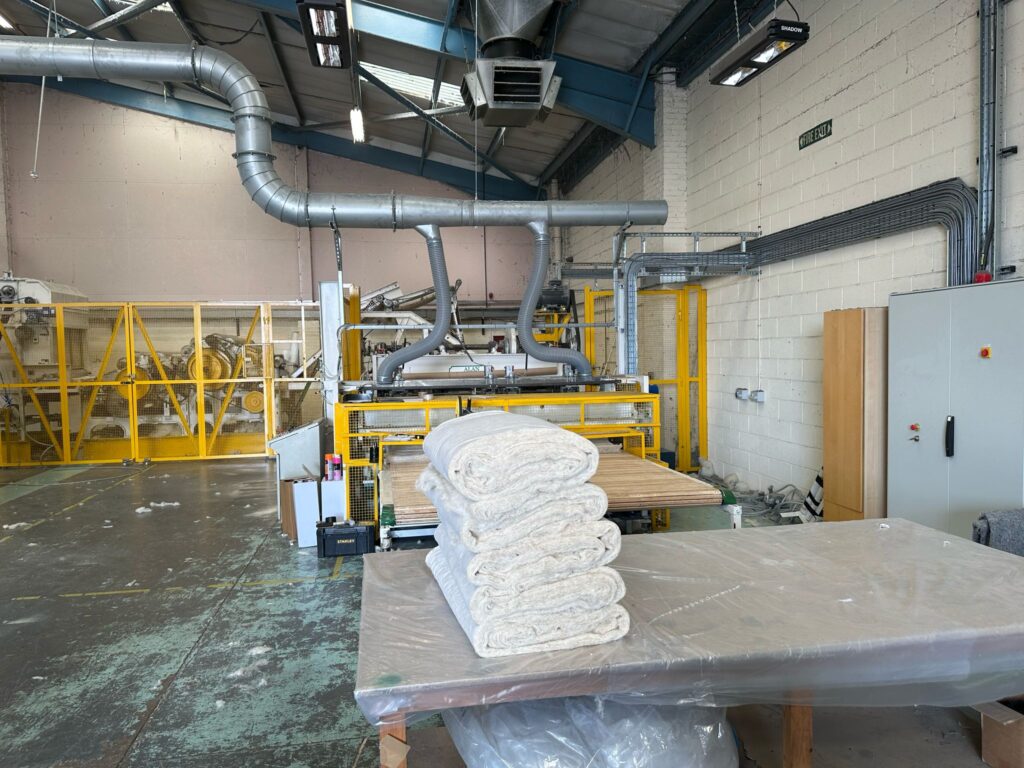
The textile industry stands at a crossroads. With increasing awareness of environmental impact and growing consumer demand for sustainable products, businesses across all sectors are reevaluating their material choices. At Edward Clay & Son, we’ve been pioneering sustainable textile solutions for decades, and we’re seeing unprecedented interest in our environmentally friendly alternatives.
The Business Case for Sustainable Textiles
Sustainable textiles aren’t just about environmental responsibility – they’re about smart business strategy. Companies that embrace sustainable materials today position themselves advantageously for tomorrow’s marketplace. Here’s why sustainable textiles are becoming essential:
Cost Efficiency Over Time: While initial costs may seem higher, sustainable textiles often provide better long-term value through durability, reduced replacement needs, and potential cost savings in waste management.
Regulatory Preparedness: With environmental regulations becoming stricter worldwide, choosing sustainable materials now helps businesses stay ahead of compliance requirements.
Consumer Expectations: B2B customers increasingly prefer suppliers who demonstrate environmental responsibility, making sustainability a competitive differentiator.
Supply Chain Resilience: Sustainable practices often correlate with more stable, diversified supply chains that are less vulnerable to disruption.
Edward Clay & Son’s Sustainable Solutions
Our approach to sustainability is comprehensive, addressing every aspect of production from raw materials to end-of-life disposal. We manufacture felt products using carefully selected combinations of reclaimed, virgin, and natural fibers, allowing us to create custom solutions that meet both performance and environmental criteria.
Recyclable Options: Our products can be reintegrated into manufacturing cycles, reducing waste and supporting circular economy principles.
Biodegradable Alternatives: For applications where recycling isn’t practical, our biodegradable options ensure materials break down naturally without harming the environment.
Natural Fiber Solutions: We work extensively with wool, hemp, jute, and other natural fibers that offer excellent performance characteristics while maintaining environmental compatibility.
Applications Across Industries
The versatility of sustainable textiles makes them suitable for numerous applications:
Packaging Industry: Our wool packaging solutions provide excellent protection while being completely biodegradable, offering a sustainable alternative to synthetic packaging materials.
Furniture and Upholstery: Sustainable felt wadding and upholstery components help manufacturers create furniture that meets environmental standards without compromising comfort or durability.
Horticulture: Our natural fiber products support plant growth while eventually decomposing to enrich soil, creating a completely circular solution for garden and agricultural applications.
Construction and Insulation: Natural fiber insulation materials provide excellent thermal properties while being safe for both installers and occupants.
Making the Transition
For businesses considering the switch to sustainable textiles, Edward Clay & Son offers comprehensive support throughout the transition process. Our technical team works closely with customers to identify the most suitable materials for their specific applications, ensuring that sustainability doesn’t come at the expense of performance.
We provide detailed specifications, performance data, and sample materials to help businesses make informed decisions. Our flexible manufacturing capabilities allow for custom blends and specifications, ensuring that sustainable solutions meet precise requirements.
The future belongs to companies that recognize sustainability not as a burden, but as an opportunity for innovation, differentiation, and long-term success. At Edward Clay & Son, we’re proud to be your partner in building that sustainable future.