Preserving Textile Heritage: Traditional Skills and Modern Innovation at Edward Clay & Son
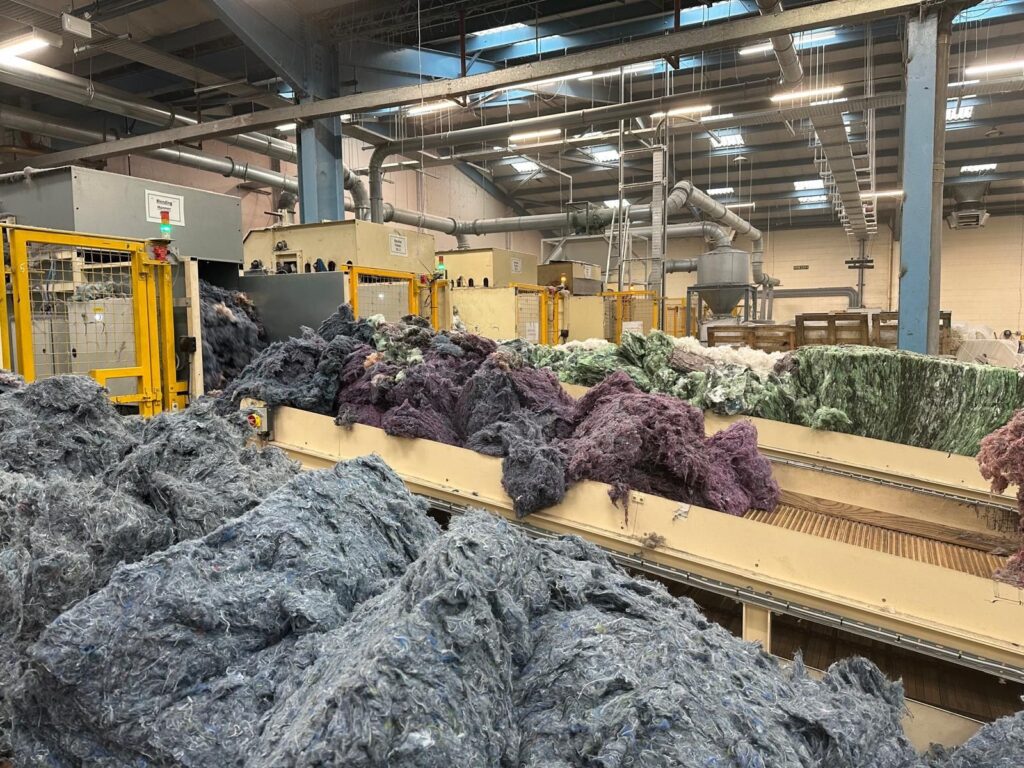
In an era of rapid technological change and globalised production, the preservation of traditional manufacturing skills and heritage craftsmanship has never been more important—or more challenging. Edward Clay & Son stands as a living testament to how traditional British textile manufacturing can not only survive but thrive, combining time-honoured techniques with modern innovation. Our story, spanning over 150 years in Ossett, West Yorkshire, embodies the rich heritage of British textile production and demonstrates how traditional skills remain vitally relevant in contemporary manufacturing.
The Yorkshire Textile Tradition
West Yorkshire’s textile heritage stretches back centuries, with the region earning worldwide recognition as one of history’s great textile manufacturing centres. From medieval wool trading through the Industrial Revolution’s mechanisation to today’s specialised production, Yorkshire textiles have shaped both local communities and global industries.
Historical Context
Medieval Origins: Yorkshire’s textile tradition began in medieval times when wool from local sheep supported cottage industry production. Monks and rural families processed wool into cloth, establishing foundations for the industry’s later expansion.
Industrial Revolution: The late 18th and 19th centuries saw Yorkshire transform into an industrial powerhouse. Water-powered mills, then steam-driven factories, enabled mass production whilst creating the distinctive mill towns and industrial architecture that characterise the region today.
Global Trade: Yorkshire textiles reached worldwide markets, with the quality and innovation of local manufacturers earning international recognition. The phrase “Yorkshire quality” became synonymous with reliability and excellence.
Community Impact: Textile manufacturing shaped Yorkshire communities profoundly, influencing settlement patterns, social structures, economic systems, and cultural identity. Entire towns developed around textile mills, creating tight-knit communities with shared industrial heritage.
Ossett’s Manufacturing Heritage
Ossett, Edward Clay & Son’s home since 1870, exemplifies Yorkshire’s textile tradition. This market town developed into a significant manufacturing centre, with numerous mills and factories supporting a thriving industrial economy. The town’s location, access to water power, and connections to raw material suppliers and markets made it an ideal textile manufacturing base.
Generations of Ossett families worked in textile manufacturing, developing and passing down skills, knowledge, and industrial traditions. This concentration of expertise created a manufacturing ecosystem where innovation flourished, quality standards remained high, and traditional craftsmanship evolved to meet changing demands.
Edward Clay & Son: 150+ Years of Textile Excellence
Our company’s founding in 1870 placed us at the height of British industrial success, when Yorkshire textiles dominated world markets and British manufacturing led global innovation. From these beginnings, we’ve developed into specialists in natural fibre needle punch felts, maintaining traditional quality standards whilst embracing technological advancement.
Founding Principles
Quality Craftsmanship: Our founders established the company on principles of exceptional quality and attention to detail, standards that remain fundamental to our operations today.
Customer Service: Building lasting relationships through reliability, flexibility, and commitment to meeting customer needs has guided our approach throughout our history.
Innovation: Whilst respecting tradition, we’ve always embraced innovation, recognising that progress requires balancing heritage with advancement.
Community Responsibility: As a major Ossett employer, we’ve maintained deep commitment to our local community, supporting employment, skills development, and regional prosperity.
Evolution Through Generations
Adapting to Change: Over 150 years, we’ve navigated enormous changes—technological revolutions, market transformations, global competition, and shifting consumer preferences. Success required adapting whilst maintaining core values and quality commitments.
Technology Integration: We’ve continuously invested in advancing technology, from early mechanisation through modern computer-controlled equipment, always seeking competitive advantages whilst preserving craft quality.
Market Development: Whilst core manufacturing processes remain rooted in tradition, we’ve developed new products and entered new markets, ensuring relevance across changing industrial landscapes.
Sustainable Practices: Long before sustainability became mainstream concern, our focus on natural fibres and efficient production positioned us advantageously for today’s environmentally conscious markets.
Traditional Skills in Modern Context
The skills that built Edward Clay & Son remain essential to our success:
Fibre Knowledge
Material Understanding: Deep knowledge of natural fibre properties—how different wools behave, how plant fibres respond to processing, how fibre combinations create specific characteristics—comes from generations of accumulated experience.
Quality Assessment: Experienced eyes and hands assess fibre quality, identifying characteristics that influence final product performance. This tacit knowledge, developed through years of practice, complements but cannot be fully replaced by laboratory testing.
Blending Expertise: Creating fibre blends requires understanding how different materials interact, how processing affects mixtures, and how final applications demand specific combinations. This expertise develops through long experience and deep material understanding.
Processing Skills
Needle Punch Operation: Operating needle punch equipment effectively requires skilled judgement. Whilst modern machines offer precise control, skilled operators understand how to optimise settings for specific materials and desired outcomes.
Quality Control: Experienced craftspeople recognise subtle quality variations that automated systems might miss, providing crucial additional layer of quality assurance.
Problem Solving: When production challenges arise, experienced staff draw on years of accumulated knowledge to identify causes and implement solutions rapidly.
Efficiency Optimisation: Skilled workers continuously refine processes, identifying small improvements that collectively create significant efficiency gains.
Design and Development
Application Understanding: Understanding how products perform in actual use—knowledge gained through decades of customer feedback and application observation—informs product development.
Custom Solutions: Creating bespoke products for specific customer requirements requires combining technical knowledge, creative thinking, and manufacturing expertise.
Innovation: New product development builds on traditional knowledge whilst exploring innovative approaches, creating solutions that honour heritage whilst embracing progress.
Preserving and Passing On Skills
Maintaining traditional skills requires deliberate effort:
Apprenticeship and Training
Structured Learning: Formal training programmes introduce new employees to fundamental skills and knowledge, providing solid foundations for development.
Mentorship: Experienced staff mentor newer employees, passing on tacit knowledge and nuanced understanding that formal training alone cannot convey.
Hands-On Experience: Real production experience remains irreplaceable. Working alongside skilled craftspeople, learning through doing, and gradually taking on increasing responsibility develop true expertise.
Continuous Development: Even experienced staff continue learning, as new materials, technologies, and applications demand ongoing skill development.
Knowledge Documentation
Process Documentation: Capturing manufacturing processes, quality standards, and best practices in written form helps preserve and standardise knowledge.
Technical Specifications: Maintaining comprehensive records of product specifications, testing results, and performance data supports consistency and quality.
Historical Records: Preserving historical information about products, processes, and customer applications maintains institutional memory and informs current practice.
Cultural Preservation
Pride in Craft: Fostering pride in traditional skills and manufacturing excellence encourages staff to maintain high standards and develop expertise.
Historical Awareness: Understanding our company’s history and Yorkshire’s textile heritage connects current work to broader traditions, providing context and meaning.
Community Connection: Maintaining relationships with local community, supporting local suppliers, and engaging with regional heritage initiatives keeps us connected to our roots.
Balancing Tradition and Innovation
Our success stems from harmonising traditional values with progressive thinking:
Modern Equipment with Traditional Expertise
Technology Investment: We’ve invested in modern needle punch equipment offering precision, efficiency, and capability beyond historical machinery.
Skilled Operation: Advanced equipment doesn’t eliminate need for skilled operators—it amplifies their effectiveness. Experienced staff extract maximum performance from sophisticated machinery.
Quality Control: Modern testing equipment supplements but doesn’t replace experienced judgement in quality assessment.
Traditional Materials, Contemporary Applications
Heritage Fibres: We continue using traditional natural fibres—wool, cotton, hemp, jute—that our founders would recognise.
New Applications: These traditional materials serve contemporary applications from electric vehicle components to high-performance building insulation.
Performance Innovation: Understanding traditional materials deeply enables innovative use, finding new ways to leverage inherent properties for modern demands.
Heritage Processes, Modern Standards
Needle Punch Foundation: Needle punch felting remains fundamentally similar to historical practice, mechanically entangling fibres without chemical bonding.
Contemporary Refinement: Modern process control, quality systems, and testing protocols ensure consistency and performance exceeding historical standards.
Environmental Standards: Traditional processes align well with contemporary environmental expectations, as mechanical processing typically has lower environmental impact than chemical-intensive alternatives.
Heritage Restoration and Historical Projects
Our traditional expertise serves heritage and restoration applications:
Historical Building Restoration
Period-Appropriate Materials: Restoring historic buildings requires materials matching original specifications. Our traditional manufacturing capabilities produce authentic materials for restoration projects.
Performance Requirements: Historic building restoration must balance authenticity with modern performance and safety standards. Our expertise helps achieve this balance.
Conservation Support: We work with conservation architects and specialists, providing materials and expertise supporting heritage preservation.
Furniture Restoration
Authentic Components: Antique furniture restoration requires period-appropriate upholstery components. Our traditional products support authentic restoration.
Traditional Techniques: Understanding historical furniture construction helps us provide appropriate materials for authentic restoration and reproduction.
Museum Quality: We supply materials for museum conservation projects requiring highest authenticity and quality standards.
Living History and Education
Historical Interpretation: Heritage sites, living history museums, and educational programmes use our traditional materials for authentic demonstrations and displays.
Craft Education: We support craft education programmes teaching traditional textile techniques, providing appropriate materials and sharing expertise.
Heritage Tourism: Our facility represents functioning example of traditional British manufacturing, offering educational value for heritage tourism initiatives.
Community and Regional Impact
Our continued operation supports Yorkshire’s communities and heritage:
Employment and Skills
Local Jobs: We provide skilled employment in Ossett and surrounding areas, supporting regional economic health.
Career Development: Training and development opportunities help local people build meaningful careers in manufacturing.
Skills Preservation: Maintaining textile manufacturing in Yorkshire preserves regional skills and industrial knowledge.
Supply Chain Support
Local Sourcing: Where possible, we source materials and services locally, supporting regional suppliers and service providers.
British Wool: Our commitment to British wool supports UK sheep farming and rural communities throughout the country.
Regional Partnerships: Collaborative relationships with other Yorkshire manufacturers strengthen regional manufacturing ecosystem.
Heritage Preservation
Industrial Heritage: Our continued operation preserves living industrial heritage, maintaining traditional manufacturing in its historical context.
Community Identity: Traditional manufacturing remains important to Yorkshire’s cultural identity and community character.
Educational Resource: We contribute to heritage education, helping people understand region’s industrial history and ongoing manufacturing tradition.
Looking Forward: Heritage for the Future
Preserving heritage means ensuring its relevance for future generations:
Sustainable Manufacturing
Environmental Leadership: Traditional focus on natural fibres positions us well for sustainable manufacturing leadership, showing how heritage practices align with contemporary environmental priorities.
Circular Economy: Our approach to material recovery and product biodegradability demonstrates heritage manufacturing’s compatibility with circular economy principles.
Future Relevance: Proving that traditional manufacturing can meet contemporary environmental standards ensures heritage skills remain relevant and valued.
Innovation Opportunities
Traditional Knowledge Application: Deep understanding of natural fibres enables innovative applications, finding new uses for traditional materials and skills.
Technology Integration: Continuing to integrate advancing technology with traditional expertise keeps heritage manufacturing competitive and progressive.
Market Development: Identifying new markets and applications for traditional products ensures continued economic viability.
Next Generation Engagement
Youth Attraction: Demonstrating that traditional manufacturing offers rewarding careers with modern relevance attracts young people to the industry.
Skills Transfer: Ensuring experienced craftspeople have opportunities to mentor next generation guarantees skills preservation.
Heritage Appreciation: Helping younger generations appreciate manufacturing heritage creates cultural continuity and support for traditional industries.
The Broader Context: British Manufacturing Heritage
Edward Clay & Son’s story reflects broader British manufacturing heritage:
Historical Significance
Industrial Revolution Legacy: British textile manufacturing pioneered industrial production methods that transformed global economy.
Innovation Leadership: British manufacturers led technological innovation, from mechanisation through material science advances.
Quality Standards: British manufacturing established quality and reliability standards that influenced global manufacturing culture.
Contemporary Relevance
Manufacturing Renaissance: Growing recognition that advanced economies need strong manufacturing sectors renews interest in traditional industrial capabilities.
Craft Value: Increasing appreciation for craftsmanship and quality over mass-produced disposables creates opportunities for heritage manufacturers.
Sustainable Production: Traditional manufacturing approaches often align better with sustainability goals than contemporary mass production methods.
Future Vision
Heritage-Informed Innovation: Combining traditional knowledge with contemporary technology creates unique competitive advantages.
Regional Manufacturing: Strong regional manufacturing clusters built on traditional strengths can compete effectively in global markets.
Cultural Continuity: Maintaining manufacturing heritage preserves important aspects of British cultural identity and industrial history.
Visiting and Engaging with Our Heritage
For those interested in textile heritage and traditional manufacturing:
Educational Opportunities
Company History: We share our story with educational groups, students, and heritage enthusiasts, helping people understand traditional textile manufacturing.
Manufacturing Insights: Where possible, we provide insights into needle punch felting and natural fibre processing, demystifying traditional manufacturing.
Heritage Context: We help connect our operation to broader Yorkshire textile heritage and British industrial history.
Industry Engagement
Supplier Relationships: We work with organisations interested in traditional manufacturing approaches and natural fibre applications.
Research Collaboration: We participate in research projects exploring traditional manufacturing techniques and natural material applications.
Standards Development: We contribute to industry standards development, ensuring traditional manufacturing perspectives inform contemporary standards.
Conclusion: Heritage as Foundation for Future Success
Edward Clay & Son’s 150+ years demonstrate that heritage and innovation aren’t opposing forces—they’re complementary strengths. Our traditional skills, deep material knowledge, and manufacturing expertise provide foundations enabling us to meet contemporary challenges and seize new opportunities. Respect for heritage doesn’t mean resistance to change; it means building on strong foundations whilst embracing progress.
As we look ahead, we’re committed to preserving the skills, knowledge, and values that have sustained us for over a century and a half. Traditional craftsmanship, quality commitment, customer focus, and community responsibility remain as relevant today as when our founders established them. These enduring principles, combined with continuous innovation and adaptation, position Edward Clay & Son to serve customers and communities for generations to come.
Yorkshire’s textile heritage isn’t merely history—it’s living tradition continuing to evolve, adapt, and contribute. Edward Clay & Son proudly carries this heritage forward, demonstrating daily that traditional British manufacturing has vital role in contemporary economy and sustainable future. Our story shows that heritage preserved and honoured becomes strength for tomorrow, not anchor to yesterday.
The looms may have quieted in many Yorkshire mills, but the spirit of innovation, quality craftsmanship, and manufacturing excellence that built this region’s reputation continues at Edward Clay & Son. We honour our past by ensuring it informs our future, maintaining traditional skills whilst embracing innovation, preserving heritage whilst remaining relentlessly relevant. This is Yorkshire textile manufacturing heritage—alive, evolving, and essential.