The Art of Traditional Wool Processing: From Fleece to Finished Fabric
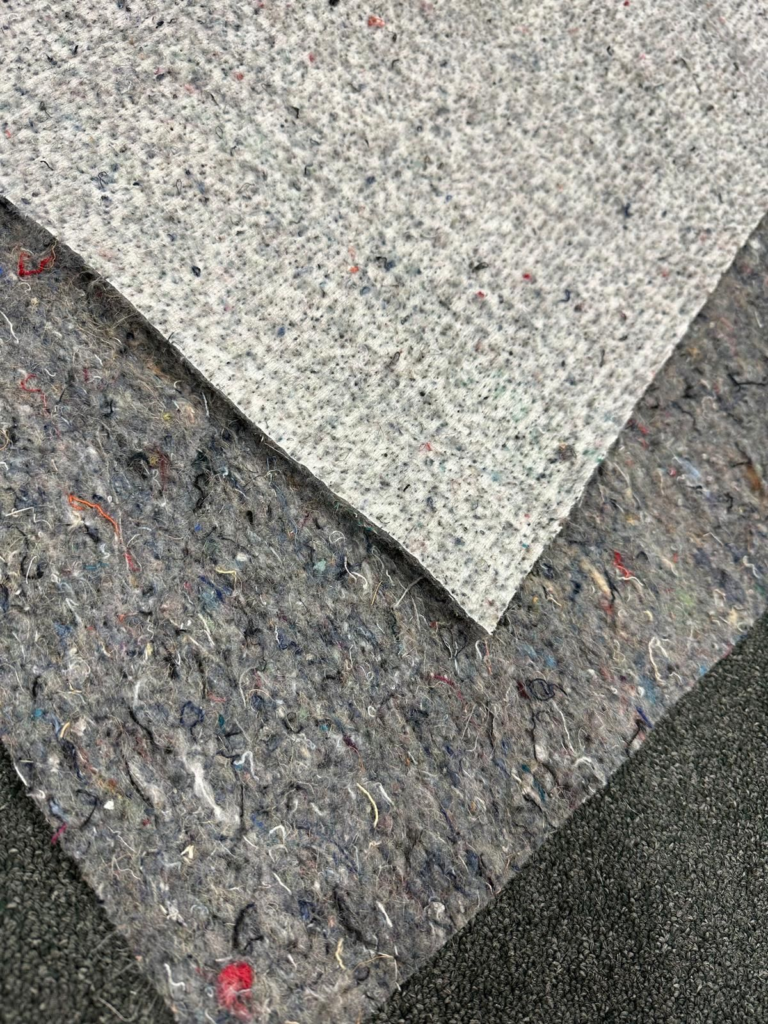
The journey of wool from farm to finished product is a testament to centuries of British craftsmanship and innovation. At Edward Clay & Son, we’ve witnessed firsthand how traditional wool processing techniques continue to shape modern textile manufacturing, creating products that stand the test of time whilst meeting contemporary demands for quality and sustainability.
The Heritage of British Wool Processing
Britain’s relationship with wool processing dates back over a millennium, with our nation once being the epicentre of the global wool trade. The rolling hills of Yorkshire, the Scottish Highlands, and Welsh valleys have long been home to sheep breeds that produce some of the world’s finest wool. This rich heritage forms the backbone of our approach to wool processing, where time-honoured methods meet modern precision.
The traditional wool processing journey begins with careful selection of raw fleeces. Quality assessment at this stage is crucial – examining staple length, crimp, colour, and overall condition. Our processors understand that no two fleeces are identical, and this variability is what gives natural wool its distinctive character and superior performance properties.
From Raw Fleece to Refined Fibre
The transformation process begins with thorough cleaning, where raw wool undergoes multiple washing stages to remove lanolin, vegetable matter, and other impurities. Traditional hot water washing, combined with gentle detergents, preserves the wool’s natural structure whilst ensuring complete cleanliness. This careful approach maintains the fibre’s integrity, essential for producing high-quality yarns.
Carding follows, where cleaned wool is combed and aligned using wire-covered drums. This process not only aligns the fibres but also blends different qualities of wool to achieve consistent colour and texture. Modern carding machines, whilst mechanised, still follow the same principles used by hand-carders centuries ago, creating a web of parallel fibres ready for spinning.
The spinning process transforms carded wool into continuous yarn through controlled twisting and drawing. Traditional woollen spinning creates yarn with a more open, lofty structure, trapping air for excellent insulation properties. Worsted spinning, alternatively, produces smoother, stronger yarns ideal for fine fabrics. Both methods require considerable skill to achieve consistent quality and appropriate twist levels.
Sustainable Practices in Traditional Processing
Modern wool processing increasingly embraces sustainability principles that align perfectly with traditional methods. Water recycling systems capture and purify wash water for reuse, whilst lanolin recovered during cleaning finds applications in cosmetics and pharmaceutical industries. These practices demonstrate how traditional processing can be both environmentally responsible and economically viable.
Energy efficiency in traditional processing comes from understanding natural fibre behaviour. Working with wool’s inherent properties, rather than against them, reduces energy requirements whilst improving final product quality. Temperature control during washing and drying processes, for instance, prevents fibre damage whilst achieving thorough cleansing.
Waste reduction is another area where traditional methods excel. Shorter fibres removed during combing, known as noils, find use in felt production or less critical applications. Even the vegetable matter removed during cleaning can be composted, creating a virtually zero-waste process.
Quality Indicators in Processed Wool
Understanding quality indicators helps identify superior processed wool. Uniform staple length indicates careful sorting and processing. Consistent crimp throughout the fibre suggests proper handling during cleaning and carding. Natural lustre, preserved through gentle processing, indicates healthy fibres that will perform well in finished products.
Tensile strength testing reveals how well fibres have withstood processing stresses. High-quality processed wool maintains excellent strength whilst achieving desired softness. This balance between durability and comfort is the hallmark of skilled traditional processing.
Moisture regain – wool’s ability to absorb atmospheric moisture – should remain optimal after processing. This property contributes significantly to wool’s comfort characteristics, regulating temperature and preventing static buildup in finished garments.
The Future of Traditional Processing
As consumer awareness of sustainable and ethical production grows, traditional wool processing methods gain renewed relevance. These time-tested techniques produce superior fibres whilst maintaining environmental responsibility. Investment in traditional skills, combined with selective modernisation, ensures continued availability of high-quality processed wool.
Training new generations in traditional processing skills becomes increasingly important. Apprenticeship programmes and skill-sharing initiatives help preserve knowledge whilst adapting techniques for contemporary requirements. This knowledge transfer ensures traditional methods remain viable for future generations.
The integration of traditional processing with modern quality control creates optimal outcomes. Computer-controlled monitoring of traditional processes ensures consistency whilst maintaining the benefits of time-honoured methods. This hybrid approach represents the future of wool processing – respecting tradition whilst embracing beneficial innovations.
Traditional wool processing remains the gold standard for producing superior textile fibres. At Edward Clay & Son, we continue to champion these methods, recognising that the finest wool products begin with careful, skilled processing that honours both heritage and innovation.