British Wool: Supporting Local Agriculture Whilst Delivering Premium Performance
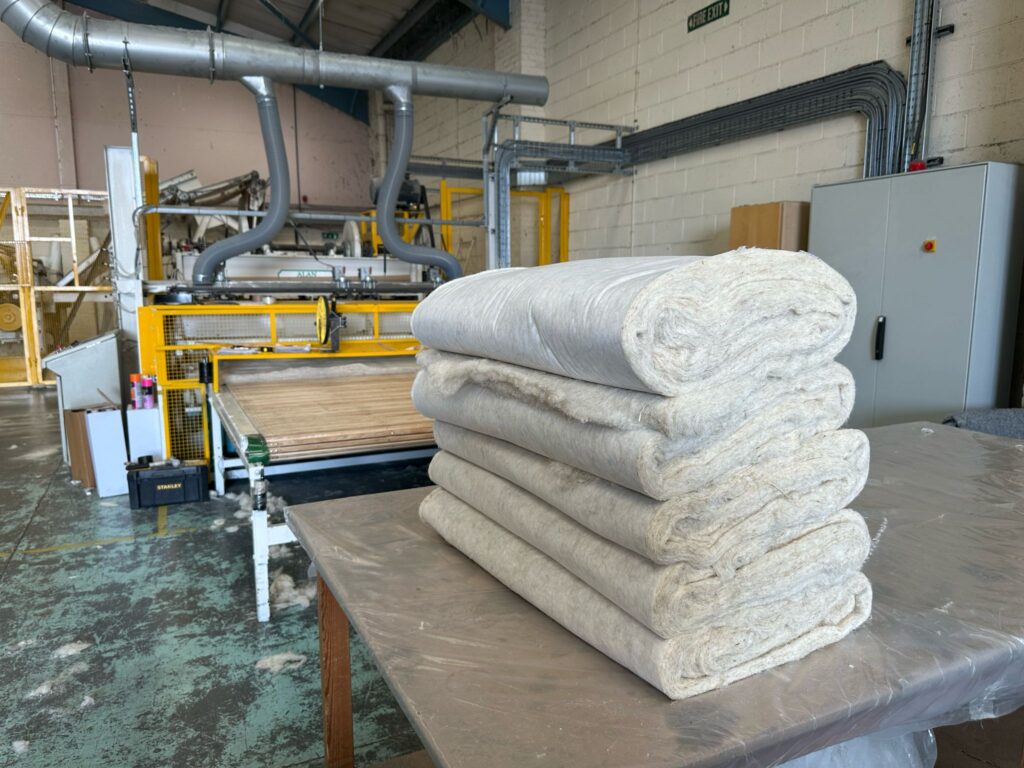
British wool represents one of the finest examples of how local sourcing can simultaneously support agricultural communities, reduce environmental impact, and deliver superior product performance. At Edward Clay & Son, our commitment to British wool spans generations, creating a supply chain that benefits farmers, manufacturers, and end users whilst exemplifying sustainable business practices.
The Heritage of British Wool
British wool has earned worldwide recognition for its exceptional quality, diversity, and performance characteristics. The United Kingdom’s unique climate and geography, combined with centuries of selective breeding, have produced sheep breeds that yield wool with distinct properties ideally suited for various industrial applications.
From the fine, soft wool of Southdown sheep to the strong, durable fleeces of Welsh Mountain breeds, British wool offers an unmatched range of characteristics. This diversity allows Edward Clay & Son to select precisely the right wool types for specific applications, ensuring optimal performance whilst supporting the full spectrum of British sheep farming.
Supporting Local Agricultural Communities
Our commitment to British wool creates meaningful economic impact for farming communities across the UK:
Fair Pricing: We work directly with farmers and agricultural cooperatives to ensure fair prices that support sustainable farming practices and rural livelihoods.
Consistent Demand: Our steady demand for British wool provides farmers with reliable income streams, supporting long-term agricultural planning and investment.
Quality Incentives: We pay premium prices for high-quality wool, encouraging best practices in animal husbandry and wool production.
Regional Development: Our sourcing strategy supports rural economies throughout Britain, from the Scottish Highlands to Welsh valleys and Yorkshire dales.
Environmental Benefits of Local Sourcing
Choosing British wool delivers significant environmental advantages:
Reduced Transportation: Local sourcing dramatically reduces transportation distances, minimising carbon emissions and logistics costs.
Carbon Sequestration: Sheep farming contributes to carbon sequestration through grassland management and soil health improvement.
Biodiversity Support: Traditional sheep farming maintains diverse grassland ecosystems that support native plant and animal species.
Landscape Preservation: Sheep farming preserves traditional British landscapes that might otherwise face development pressure or abandonment.
Sustainable Land Use: Sheep farming makes productive use of marginal land that might not be suitable for other agricultural purposes.
Superior Performance Characteristics
British wool’s exceptional properties make it ideal for Edward Clay & Son’s industrial applications:
Natural Fire Resistance: British wool naturally resists ignition and self-extinguishes, making it invaluable for upholstery, insulation, and safety applications without chemical treatments.
Moisture Management: Wool can absorb significant moisture whilst maintaining its insulating properties, providing superior comfort and performance in various applications.
Temperature Regulation: Natural crimp and fibre structure create excellent insulation properties that work effectively across wide temperature ranges