How Are Companies Preparing for the Future of Eco-Friendly Production?
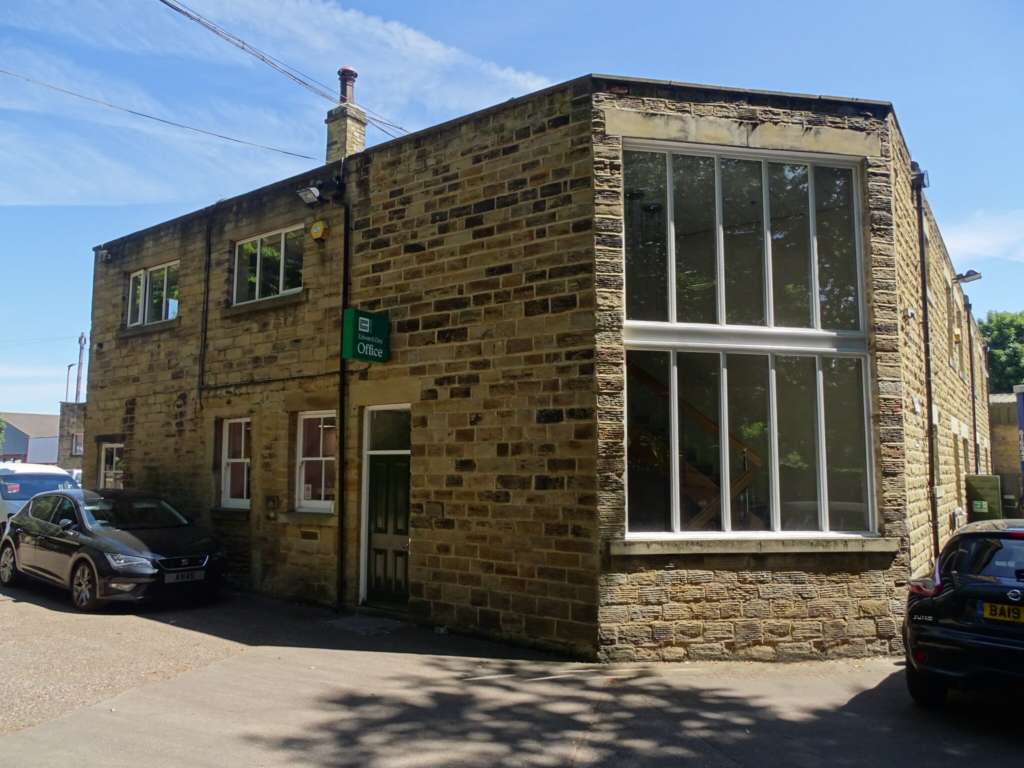
In today’s rapidly changing industrial landscape, the shift towards eco-friendly production is no longer a mere trend but a pressing necessity. As environmental concerns continue to mount, companies are increasingly prioritising sustainable practices to meet regulatory demands, consumer expectations, and the challenges posed by climate change. Edward Clay & Son Ltd, a leader in nonwoven technology and innovative fibre solutions, exemplifies how businesses can spearhead this crucial transformation.
The Green Revolution in Production
Eco-friendly production involves adopting methods and materials that minimise environmental impact. This includes reducing carbon emissions, conserving resources, and recycling waste. According to a report by McKinsey, over 70% of executives consider sustainability a top priority for their organisations, reflecting the urgent need for greener operations.
Edward Clay’s Commitment to Sustainability
Edward Clay & Son Ltd has been at the forefront of sustainable innovation in the nonwoven industry. The company’s dedication to eco-friendly practices is evident in their use of natural fibres and advanced recycling techniques. By harnessing renewable materials and reducing waste, Edward Clay not only lowers their environmental footprint but also sets a benchmark for the industry.
Innovations in Fibre Technology
Edward Clay’s fibre technology incorporates sustainable materials such as wool and jute, which are biodegradable and have a lower environmental impact compared to synthetic fibres. The company’s efforts in sourcing and utilising eco-friendly fibres highlight their commitment to creating sustainable products without compromising on quality or performance.
Pioneering Nonwoven Technology
The company’s nonwoven technology is another testament to their innovative approach. Nonwoven materials, produced through techniques like needlepunching and hydroentangling, offer versatile applications from automotive interiors to filtration systems. These processes are not only efficient but also designed to minimise waste, contributing to a more sustainable manufacturing cycle.
Needle Punch and Its Environmental Benefits
The needle punch technique employed by Edward Clay is a key example of how traditional methods can be adapted for modern sustainability. This method uses barbed needles to entangle fibres, creating a durable and flexible fabric without the need for adhesives or other chemicals. This not only reduces potential pollutants but also enhances the recyclability of the products.
The Role of Innovation in Sustainable Practices
Innovation is at the heart of Edward Clay’s operations. The company’s dedication to innovation ensures continuous improvement and adaptation to emerging environmental challenges. By investing in research and development, Edward Clay can explore new materials, optimise production processes, and reduce their overall environmental impact.
Preparing for the Future
As businesses worldwide strive to become more eco-friendly, collaboration and knowledge sharing become crucial. Edward Clay actively engages with industry partners and stakeholders to promote sustainable practices across the sector. By fostering a culture of innovation and sustainability, the company not only enhances its own operations but also contributes to the broader goal of environmental conservation.
The future of eco-friendly production hinges on the ability of companies to innovate and adapt. Edward Clay & Son Ltd is a shining example of how dedication to sustainability can drive business success while safeguarding the planet. By integrating sustainable fibres, pioneering nonwoven technologies, and continuously innovating, Edward Clay is setting a standard for others to follow.
For more information on Edward Clay’s sustainable practices and innovative products, visit their website and explore their latest news and applications. Connect with them through their contact page to learn more about their commitment to eco-friendly production.